The Autism Society of North Carolina (ASI) represents one of the most accessible and locally-rooted autism support organizations available to families throughout the state. As a chapter of the national Autism Society of America, ASI combines national resources with deep local knowledge, making it an invaluable partner for North Carolina families navigating autism diagnosis, treatment, education, and community integration.
About the Autism Society of North Carolina
The Autism Society of North Carolina has a long history of serving the autism community across the state. Unlike some national organizations that maintain limited state presence, ASI actively maintains chapters throughout North Carolina and engages directly with local communities. The organization is volunteer-driven, which means many of the people leading ASI efforts are themselves parents, educators, or individuals with autism who understand the challenges North Carolina families face.
ASI’s mission focuses on increasing public awareness about autism, advocating for appropriate services and support for individuals with autism, and providing information and referral services that help families navigate the complex landscape of autism resources available in North Carolina. This combination makes ASI uniquely positioned to serve as a bridge between families and the various services, schools, and organizations that can help.
Community Support and Advocacy
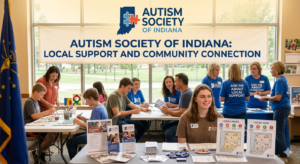
One of ASI’s most valuable functions is providing community support through local chapters and groups. North Carolina families benefit from regular meetings, support groups, and social events organized by ASI chapters. These gatherings provide opportunities for parents to connect with others who understand their experiences, share strategies, and reduce the isolation that many families feel when navigating autism.
The organization also serves as a powerful advocacy voice at the state level. ASI works with North Carolina legislators, the North Carolina Department of Education, the North Carolina Family and Social Services Administration, and other government agencies to advocate for policies and funding that support individuals with autism. For families in North Carolina, this advocacy work translates into better services, improved educational programs, and more responsive state systems.
ASI organizes awareness campaigns, educational events, and community activities throughout North Carolina to increase public understanding of autism. These efforts help create a more accepting and understanding community for individuals with autism while also raising awareness about available resources and support.
Educational Resources and Training
The Autism Society of North Carolina provides comprehensive educational resources designed to help families understand autism and access appropriate services. The organization offers workshops, training sessions, and educational materials covering topics such as diagnosis, educational rights, employment, housing, and community living for individuals with autism across their lifespan.
ASI maintains an extensive database of North Carolina resources including information about schools, therapists, physicians, and community organizations that serve individuals with autism. This resource guide is invaluable for families newly diagnosed or relocating within North Carolina, as it helps them quickly identify appropriate services in their area.
The organization also provides information about North Carolina’s specific programs and services, including information about North Carolina’s autism services through the Department of Education, Medicaid waiver programs, and other state-supported resources. ASI staff and volunteers understand the local system intimately, which means they can provide practical guidance about navigating North Carolina’s specific service delivery system.
Support for Different Life Stages
The Autism Society of North Carolina recognizes that families need different types of support at different stages of life. Whether a family is dealing with initial diagnosis, navigating the school system, planning for adolescence and adulthood, or preparing for transition to adult services, ASI offers resources and support tailored to these different phases.
For young children recently diagnosed, ASI provides resources about early intervention, educational planning, and family support. For families with school-age children, ASI offers guidance about educational rights, IEP processes, and school-based services available in North Carolina. For families of adolescents and young adults, ASI provides information about transition planning, employment opportunities, and preparing for adult life.
ASI also recognizes the unique needs of adults with autism and adults aging with autism, providing resources and advocacy for employment, housing, healthcare, and community integration across the lifespan.
How to Connect with ASI
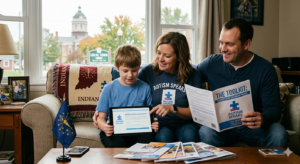
North Carolina families can connect with the Autism Society of North Carolina through their website, which provides information about local chapters, upcoming events, and resources. The organization maintains a helpline for families seeking information and referrals, and ASI staff can direct families to appropriate services based on their specific needs and location within North Carolina.
Families can also attend ASI events and meetings to connect with other families, learn from experts, and access resources. Many chapters hold monthly meetings, and some host larger events throughout the year. Becoming involved with ASI also provides opportunities for families to advocate for better services and support systems in their communities.
Conclusion
The Autism Society of North Carolina serves as a cornerstone resource for families throughout the state. By providing community connection, advocacy, education, and access to local resources, ASI helps families feel supported and empowered in their autism journey. Whether you’re seeking support, information, advocacy, or community connection, the Autism Society of North Carolina offers valuable services that reflect deep understanding of North Carolina’s unique autism landscape.